


Velvet has long carried connotations of status, elegance, and theatrical flair. Once reserved for kings, queens, and religious leaders, this luxurious fabric is now accessible to costume designers, historical reenactors, and fantasy fans alike.
Whether you’re donning a velvet cloak for a Renaissance fair or crafting a wizard robe for a cosplay convention, you’re part of a tradition that spans millennia.
The Royal Origins of Velvet

Velvet’s history is as rich as its texture. The earliest evidence of velvet dates to around 2000 BCE in ancient Egypt, where it was woven from silk and treasured as a symbol of wealth and power. As the fabric spread along ancient trade routes, it found a stronghold in the Byzantine Empire and later throughout the Islamic world.
By the Middle Ages, velvet had taken hold in Europe, particularly in Italy. Cities like Venice, Lucca, and Florence became centers of velvet production, refining the craft to new levels of opulence. Italian velvet was so prized that sumptuary laws often restricted its use to the upper classes. The intricate weaving process, requiring specialized looms and skilled artisans, made velvet one of the most expensive and desirable textiles of the era.
Velvet in Renaissance and Baroque Fashion
During the Renaissance, velvet became the fabric of choice for nobility and clergy across Europe. Royal courts draped themselves in velvet robes, capes, and doublets, often embroidered with gold thread or embellished with pearls. It was frequently seen in portraits of monarchs and bishops, solidifying its association with authority and prestige. In the Baroque period, velvet evolved to reflect the drama and extravagance of the time. Rich jewel tones, heavy textures, and elaborate patterns dominated fashion.

Today, reenactors and costumers frequently turn to velvet for Tudor gowns, Elizabethan dresses, and other historical garments, maintaining a visual connection to these luxurious traditions.
Velvet in Modern Cosplay, Fashion, and Fantasy
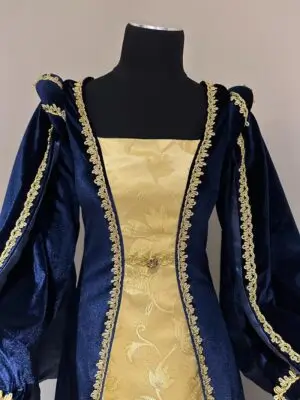
Contemporary velvet comes in many forms-crushed velvet, stretch velvet, panne velvet, and synthetic blends making it more versatile and affordable than ever. Its unique drape, plush texture, and light-reflecting surface make it a favorite for:
- Cosplay costumes (e.g., wizard robes, sorcerer cloaks, vampire capes)
- Historical reenactment outfits (e.g., Tudor gowns, medieval hoods, Renaissance capes)
- Gothic and alternative fashion
- Loungewear and luxury evening wear
At Artemisia Designs, we embrace velvet’s timeless appeal. Many of our handcrafted cloaks and capes use velvet to channel a sense of historical richness and fantasy realism. Whether you’re stepping onto the stage, into a DnD campaign, or walking through the gates of a medieval faire, velvet helps tell a story.
Why Velvet Still Captivates
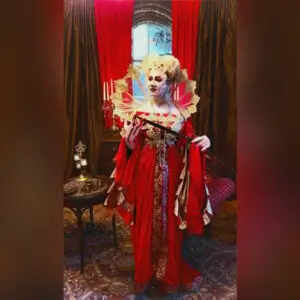
There’s something inherently magical about velvet. It softens light, adds depth to color, and moves with an almost otherworldly flow. It’s no wonder velvet remains a top choice for costume designers, cosplayers, and anyone seeking to embody elegance and drama. From ancient silk looms to modern sewing studios, velvet continues to enchant wearers and
onlookers alike. Its legacy is not just about fashion it’s about feeling empowered, regal, and timeless.
Looking for a velvet cloak, wizard robe, or Renaissance gown? Browse our velvet collection for handcrafted garments that capture the spirit of the ages.